Architectural Synthetic Roof vs Conventional Products in the Midwest
@marioeudz051
October 24, 2026 · 15 min read
Anyone that has invested a couple of years seeing roofings age in the Midwest discovers promptly that this area is unrelenting. A roofing system here does not face one climate. It encounters every one of them. January can bring ice dams, wind chill, and hefty snow resting on the eaves for days. April typically supplies freeze-thaw swings and tough rainfall. Summertime cooks dark surface areas under strong UV direct exposure, after that rolls in hail and straight-line winds. Fall goes down leaves right into valleys and rain gutters, capturing dampness where weak materials start to fail.
That climate reality is the genuine backdrop for the discussion around building synthetic roofing versus traditional materials. Home owners are no more selecting exclusively on look or first cost. They are weighing weight, weather condition performance, maintenance cycles, installation complexity, and just how well a roofing will still care for 10 or twenty Chicago-area winters months. In higher-end areas, that conversation gets back at extra specific. Individuals desire the aesthetic splendor of slate, cedar shake, or ceramic tile, however they likewise want a system that does not punish them with continuous upkeep.
The surge of premium synthetic roof is not a trend. It is a response to sensible issues that standard roof covering materials have always had, specifically in the Midwest.
What "architectural artificial roof covering" actually means
The term gets utilized freely, so it helps to define it. Architectural synthetic roofing usually describes crafted roof covering items designed to reproduce the appearance of all-natural slate, cedar shake, or clay tile while enhancing effect resistance, decreasing weight, and streamlining installation. Depending upon the maker, these items might be made from sophisticated polymers, recycled composite blends, or various other engineered materials.
Not all artificial roofing systems are created equal. Some are clearly entry-level choices suggested to hit a price point. Others are true costs artificial roof covering products with deep accounts, molded texture, custom-made shade mixing, and accessory items that develop a finished, convincing roofline. The distinction matters. A bargain artificial tile may look level and repetitive from the road. A durable architectural product can trick most people till they are standing a few feet away.
In sensible terms, the very best architectural synthetic roof aim to fix a challenging formula. They try to protect the visual appeal of heritage materials while lowering some of the liabilities that include them.
Why the Midwest changes the equation
A roof material that performs well in a dry, pleasant environment might let down badly in Illinois, Wisconsin, Indiana, or Michigan. The Midwest subjects weaknesses fast.
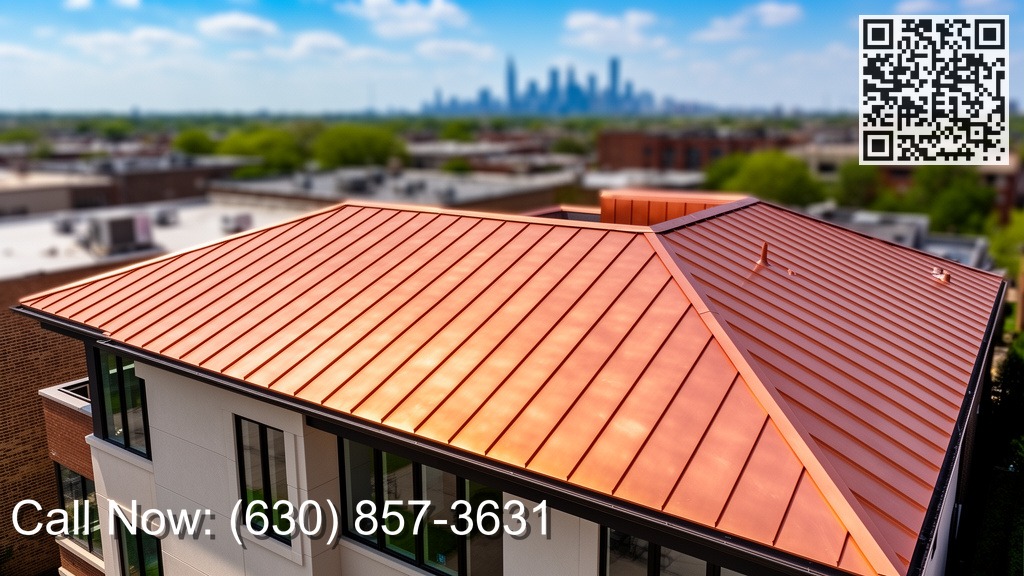
Natural cedar, for example, can be gorgeous. Fresh cedar shake has warmth and depth that homeowners like. But on homes shaded by mature trees, particularly near the lakeshore or in established country great deals, moisture retention ends up being a significant issue. Shakes can cup, split, dim unevenly, and welcome moss or algae growth. That does not suggest cedar is an inadequate product. It implies cedar needs the ideal setting and conscientious maintenance, which not every property owner is prepared to provide.
Natural slate is one more example. Appropriately sourced and set up slate can last a long time. It lugs unequaled status. Yet slate is hefty, weak under foot web traffic, expensive to repair, and unrelenting of setup mistakes. In the Midwest, where roofing replacement typically follows tornado events and insurance coverage timelines, finding staffs with real slate know-how can be hard. One lost action on a cold morning can break items that after that need specialized replacement.
Asphalt roof shingles, the default option across much of the area, fix some of these troubles yet introduce others. They come and familiar, and a top quality building asphalt shingle remains a practical roofing system for numerous homes. Still, Midwest hailstorm, granular loss, thermal biking, and wind exposure can shorten real-life performance compared with what home owners anticipate when they hear a lengthy warranty term.
That is why residential synthetic roofing has taken https://holdenpdev087.northstarcolumn.com/posts/building-synthetic-roofing-vs-conventional-products-in-the-midwest a growing place in the marketplace. It sits between goal and practicality.
How synthetic roof contrasts to asphalt, cedar, slate, and tile
The strongest case for artificial roof covering tiles is not that they beat every conventional material in every group. They do not. The instance is that they usually perform far better across the categories that matter most to Midwest homeowners.
Asphalt roof shingles still win on access expense. If spending plan is the very first and overriding worry, asphalt continues to be one of the most typical solution. A homeowner changing a regular country roof covering after tornado damage can commonly maintain costs within an acquainted range with laminated tiles. But the long-term photo can change if duplicated repairs, much shorter life span, or aesthetic restrictions matter.
Cedar supplies charm that is tough to phony when it is brand-new. On historic homes and particular building styles, it looks exactly right. Yet its maintenance burden is actual. In communities with heavy tree cover, I have seen cedar roofings start revealing uneven wear well before owners anticipated it. Once splitting and dampness biking accelerate, the roof can go from "weathered and good-looking" to "tired and susceptible" faster than many people are ready for.
Slate is still the standard for reputation, yet it brings structural and logistical considerations. Some homes need reinforcement to support it. Repair work requires competent hands. Flashing information come to be critical. The material itself can outlive several various other elements of your home, but only if the whole system is treated keeping that exact same level of care.
Clay and concrete tile are less typical in the top Midwest than in warmer regions, partly because of style fit and partly since freeze-thaw conditions can be penalizing. Tile additionally adds weight and complexity, and it does not make sense on every roof structure.
Architectural synthetic roof covering goes into that mix as a lower-weight, typically impact-rated choice that can simulate slate or tremble convincingly while enduring Midwest weather far better than many proprietors expect. An appropriate synthetic roofing replacement can give the aesthetic declaration of a deluxe roof covering without forcing the home to lug the structural lots or the very same upkeep needs of all-natural materials.
Appearance, and the question property owners seldom ask correctly
Most individuals ask whether artificial roof looks "genuine." That is understandable, yet it is not rather the best question. The better inquiry is whether it looks ideal on the house.
A great roof is not just a separated product. It has to fit the range, design, home siding appearance, masonry color, home window trim, and even the account of the seamless gutters and blinking. Some synthetic products have heavy shadow lines and varied widths that fit a Tudor, French nation, or lakefront custom-made home beautifully. Others look as well consistent for a high-end build and can really cheapen the outside if the pattern repeats as well obviously.
This is specifically crucial with artificial roof covering for high-end homes. Purchasers on top of the market notice information. They may not determine the manufacturer from the driveway, however they can inform when a roofing system really feels flat, glossy, or disproportionate. The very best premium artificial roofing items prevent that trouble by mixing sizes, incredible discloses, and using combined coloration that appears like all-natural aging instead of a factory-printed monotone.
In areas such as Naperville, Hinsdale, Lake Woodland, and parts of the North Shore, roofing system choice usually intersects with style testimonial criteria, neighborhood assumptions, and resale positioning. A house owner looking for artificial roofing Naperville IL is commonly not searching for the most inexpensive roofing offered. They are seeking the appropriate visual result with less migraines over time.
Weight matters more than many people realize
Structural load is not an attractive subject, but it drives lots of roof choices behind the scenes. Natural slate and floor tile can consider several times greater than asphalt or several artificial alternatives. On a new custom construct, a designer and engineer can prepare for that from the first day. On an existing home, the story is different.
I have seen property owners love the appearance of slate, just to learn that bringing their mounting up to the necessary capability would certainly add a substantial price prior to a single roofing tile was set up. That sort of exploration can thwart a project quick. Artificial roof commonly maintain the desired look while avoiding reinforcement work.
Lower weight additionally assists in subtler ways. It can lower tension on older framing members, simplify staging and taking care of on site, and make sure roof covering designs a lot more sensible to implement. It does not get rid of the demand for competent labor, however it expands what is possible on an existing Midwest home.
Hail, wind, and influence resistance
This is where artificial roofings typically gain their keep. In the Midwest, tornado efficiency is not academic. Hail storm cases are common sufficient that homeowners and insurers both pay very close attention to effect resistance ratings.
Many costs synthetic roof products are engineered to attain high impact resistance, often much better than natural slate or cedar, which can crack, split, or contusion under hailstorm. That does not imply a synthetic roof covering is indestructible. Huge enough hailstorm can damage practically anything. However on balance, well-made artificial products tend to soak up impact more forgivingly than weak natural products.
Wind performance is likewise substantial in open country developments and on homes near fields, golf courses, or lakefront exposures. Conventional materials can stop working at bolts, edges, or individual pieces when uplift pressures find a powerlessness. A properly developed synthetic roofing system installment, coupled with the right underlayment and accessory parts, can do quite possibly in those conditions.
The catch is "correctly made." A premium item mounted carelessly will not meet its assurance. That is why the option of artificial roofer matters practically as much as the product itself.
Installation high quality is not a side issue
Homeowners sometimes shop roofing products as if setup were interchangeable. It is not. An artificial roof company that understands the product line, local code needs, slope changes, ventilation, blinking details, snow and ice patterns, and manufacturer-specific devices will produce a considerably different outcome than a team attempting the product for the second or 3rd time.
This shows up frequently in artificial roofing Chicago projects. Chicago and the bordering residential areas have a massive variety of real estate supply, from small cottages to steep-roofed historic homes to huge customized homes with complicated valleys, dormers, and converging roofing aircrafts. Synthetic materials can take care of that variety well, but only if format and outlining are done thoughtfully.
A competent artificial professional roofer Chicagoland property owners count on will generally start by looking past the surface area material. They assess attic room ventilation, deck problem, blinking at stonework changes, seamless gutter method, ice-and-water protection, and whether snow guards or details accessory items make good sense. They likewise take notice of visual details. Exposure lines, starter placement, ridge treatment, and shade selection can make the distinction between a roof that looks improved and one that just looks expensive.
When individuals work with synthetic roof installers based just on the lowest quote, issues have a tendency to turn up in the information initially. Misaligned training courses, awkward valley changes, inexpensive flashing steels, and inconsistent fastening patterns have a way of surfacing within a few seasons.
Maintenance facts over time
One of the most significant disagreements for artificial roof replacement is lowered maintenance compared to natural cedar or slate. That argument is usually reasonable, however it should be stated carefully.
Synthetic roofings are reduced maintenance, not no upkeep. Gutters still require cleaning. Valleys still accumulate debris. Flashings still are entitled to routine examination. Sealants around related roof penetrations will not last forever just because the area material is synthetic. Branches scuffing the roofing system can still develop aesthetic wear. Ice dam problems can still establish if the attic is poorly insulated and ventilated.
What modifications is the susceptability of the field product itself. An artificial slate or tremble product is typically much less most likely to split, rot, peel, or fracture under normal seasonal stress than natural wood or rock alternatives. For numerous home owners, that reduced upkeep account is the factor. They want the building appearance without needing to baby the roof.
Cost, and where people usually misinterpret value
It is easy to compare roof propositions by considering the total amount at the bottom of the web page. It is harder, and more useful, to compare value over twenty or thirty years.
Synthetic roof coverings normally cost more ahead of time than conventional asphalt shingles. They generally cost less than top-tier all-natural slate or high-end cedar setups, particularly when you factor in structural support, specialized labor, and long-term maintenance. That puts architectural synthetic roofing in a middle-to-upper rate that attract homeowners preparing to stay put, preserve aesthetic appeals, and decrease lifecycle headaches.
The blunder I see most often is treating every synthetic option as if it belongs in the very same pail. It does not. There is a genuine spread in product quality, thickness, realism, service warranty terms, and accessory efficiency. Some makers provide robust system-based packages. Others primarily provide field tiles and leave installers to improvise edge and information conditions. That can influence both appearance and durability.
For a house owner comparing proposals, the most valuable inquiries typically involve the whole system, not just the visible tile or tile.
- What underlayment bundle is consisted of, particularly at eaves, valleys, and penetrations?
- Are flashings being changed totally, or reused where convenient?
- Does the installer have purposeful experience with this certain artificial product?
- Are ridge, hip, and starter accessories matched to the system?
- How will certainly air flow be dealt with as part of the replacement?
Those solutions commonly disclose a lot more concerning long-lasting value than the material label alone.
Where traditional products still make sense
It would certainly be lazy to pretend artificial roof coverings are constantly the most effective response. They are not.
For a strict historical restoration, natural materials might be called for or merely more appropriate. Some landmarked homes need to have real slate or cedar because that becomes part of their architectural identity. In other cases, a home owner might truly value the aging and aging attributes of natural products, even knowing the extra upkeep they bring.
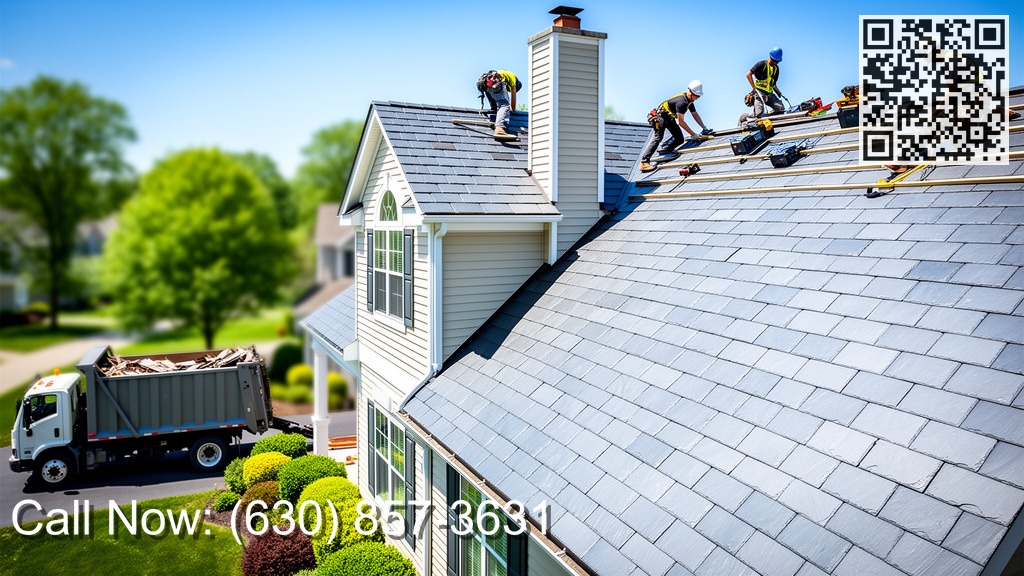
Budget likewise matters. If a household needs a trustworthy roof at the most convenient in advance cost, a well-installed asphalt system may be the most sensible option. There is nothing inherently incorrect with that said. Roof covering choices should fit both the house and the house owner's priorities.
There are additionally style restrictions. Some homes do not gain from an artificial slate or drink account because their style is too simple, too low-pitched, or too small in scale for that material language to look all-natural. A roofing system must elevate your house, not outfit it.
Where synthetic roofing tends to shine
The toughest candidates for residential synthetic roofing are homes where appearance matters, storms are an issue, and the owner desires a longer-term material without the weight and maintenance of typical high-end products.
That usually includes custom-made homes, upper-end suburban homes, renovated historic-looking homes, and houses with intricate roof covering geometry where cedar or slate would certainly drive expenses sharply higher. It likewise consists of house owners that have already lived through the downside of one more product. A person that has actually replaced storm-damaged asphalt twice in fifteen years, or invested years preserving an aging cedar roofing system, often tends to understand the allure quickly.
In the Chicago region, artificial roofing systems have discovered a particularly excellent fit on homes that desire the visual personality of old-world materials while standing up far better to hail, wind, and winter dampness. That is true from city neighborhoods with masonry-heavy style to western suburbs where big homes rest revealed to weather throughout open lots.
Choosing the appropriate contractor in the Midwest
The material decision and the service provider choice must occur together. An excellent product on the wrong house, or in the incorrect hands, can disappoint. A thoughtful professional narrows that danger by matching product, slope, flashing strategy, air flow, and aesthetic details to the actual property.
A qualified synthetic roofing contractor need to be able to describe why one product is a far better fit than another without slipping into sales clichés. They should chat comfortably about freeze-thaw problems, ice security, attic room airflow, ridge information, snow shedding habits, and use years later on. They should additionally have a portfolio with homes comparable to your own, not simply common supplier photos.
For property owners contrasting a synthetic roofing business against standard roofers who just occasionally set up synthetics, experience matters. This group of roofing is fully grown sufficient now that there is no factor to accept on-the-job experimentation.
The Midwest verdict
Architectural artificial roof has made its location since it addresses a genuine local demand. It provides house owners a way to record the deepness and difference of slate, shake, or floor tile aesthetic appeals without absorbing every drawback those materials can lug in a Midwest environment. It is not the cheapest path, and it is not constantly the most traditionally genuine path. However it is commonly the most balanced one.
For several homes, specifically those seeking premium visual allure and useful resilience, synthetic roofings provide an engaging middle course. They minimize weight, typically improve effect resistance, and lower routine maintenance while maintaining a high-end architectural look. When paired with a strong layout fit and a disciplined synthetic roofing system setup, the outcome can be a roofing system that feels both significant and sensible.
That equilibrium is what makes artificial roofing Chicago property owners progressively request, and what maintains it expanding across the broader region. In an environment that reveals every weak point eventually, balance issues. A roofing has to look right, however it likewise has to maintain showing itself after the uniqueness is gone, after the storms come through, and after another wintertime settles over the Midwest.
When Quality Matters
Salvo Architectural Roofing Contractors
566 West 5th Ave Naperville, IL 60563
(630) 857-3631
 Ask ChatGPT
 Ask Grok
 Ask Perplexity
 Ask Claude
 Ask Google AI
 Ask You